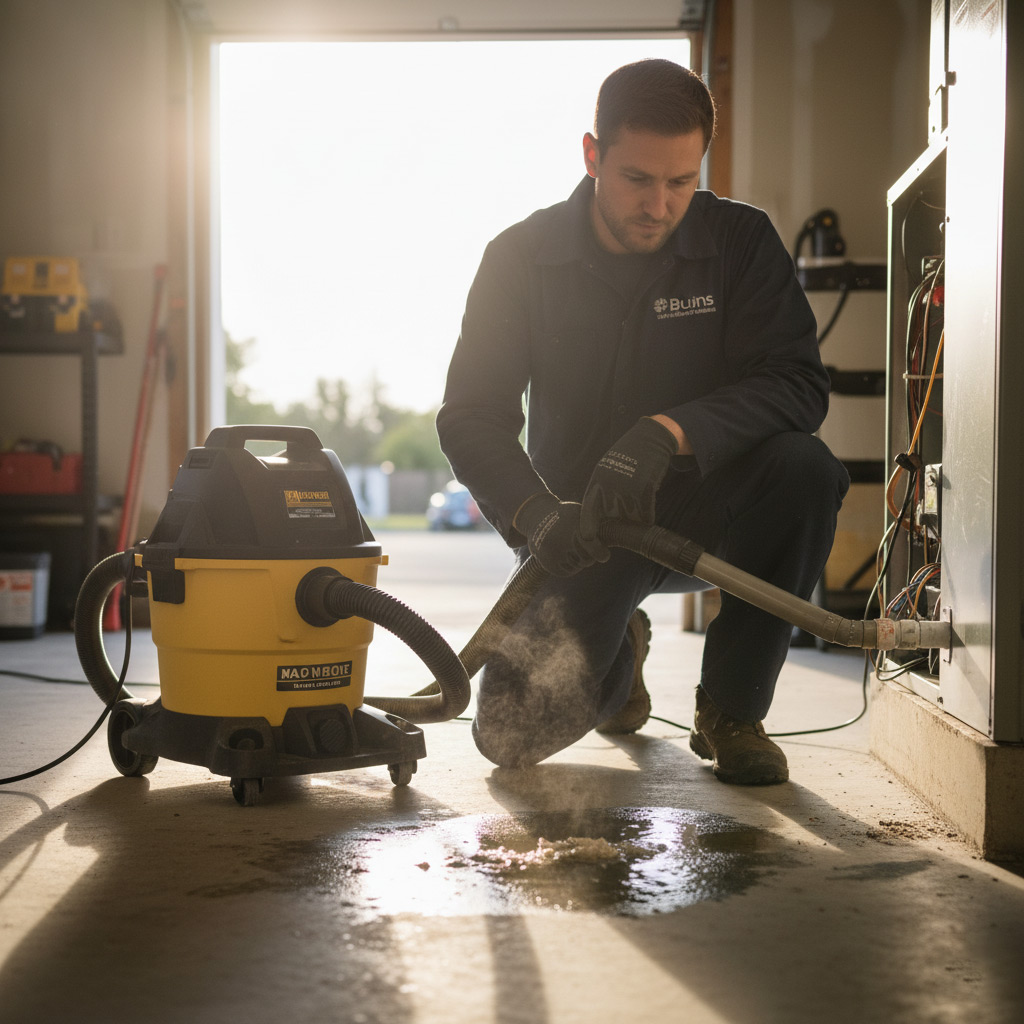
You probably picture Las Vegas as a city of endless sun and sweltering heat, right? Most folks do. But when that desert chill bites, often with little warning, your heating system gets hit with a shockwave few homeowners ever consider.
That sudden drop in temperature isn't just uncomfortable; it puts immense, unseen strain on your furnace. It's the moment when hidden weaknesses turn into full-blown breakdowns, leaving you scrambling for warmth when you least expect it.
Understanding this unique Vegas winter dynamic is key to keeping your home cozy and avoiding costly surprises. So, before the next cold snap leaves you shivering, let's pull back the curtain on why your heating system needs a secret weapon against the desert's surprising bite.
Thermal Shock Explained: Why Sudden Cold is Your Furnace's Worst Nightmare
You know that feeling when you step outside and the air just punches you with an unexpected chill? Imagine that, but for your furnace. That’s thermal shock in a nutshell for your heating system, and it's a very real threat here in Las Vegas.
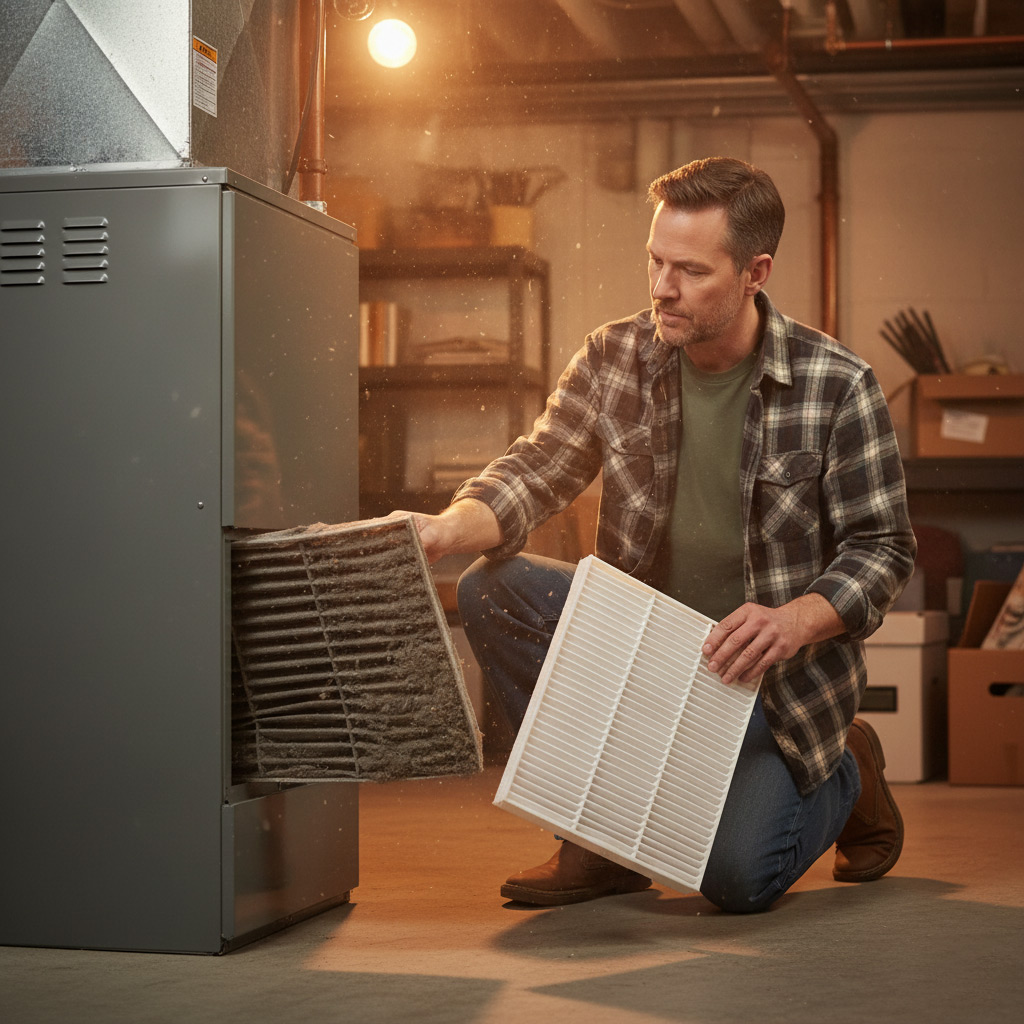
Our desert climate isn't just about blistering summers; it's also famous for its rapid temperature swings. A balmy 70-degree day can often plummet into the low 30s or even colder overnight. This sudden, severe drop causes the metal components inside your furnace to contract extremely fast, much quicker than they are designed to handle. It’s like repeatedly bending a paperclip – eventually, it snaps.
This immense stress doesn't just make things rattle. It actively weakens critical parts, turning minor wear and tear into potential breakdowns. Think about your heat exchanger, the heart of your furnace; sudden contraction can cause hairline cracks. Electrical connections can loosen, and even the fan motor can suffer undue stress. For your furnace, these rapid changes are a silent killer, setting the stage for failures when you least expect them and most need the warmth.
Warning Signs & What They Mean: Decoding Your Furnace's Cries for Help
Your furnace rarely breaks down without a peep. Just like a car signaling low oil, your heating system tries to tell you something's wrong before it completely conks out. Ignoring these early whispers is a sure way to end up shivering in the dark, especially when that unexpected Las Vegas cold snap hits.
When the desert air suddenly drops, any existing flaw in your furnace gets put under a microscope. A small hum might become a loud bang. A minor inconsistency in heating turns into a full-blown cold zone in your living room. Understanding these distress signals isn't just smart; it's your first line of defense against a miserable winter.
What Your Furnace is Trying to Tell You:
- Odd Noises: Hear bangs, clangs, squeals, or rattles? These aren't background music. A banging could mean ignitor issues or a dirty burner. A squeal often points to a worn fan belt or motor problem. Don't dismiss them – they’re symptoms of parts struggling, or worse, failing.
- Inconsistent Heating: Are some rooms toasty while others feel like a walk-in freezer? This isn't just uncomfortable; it signals a problem with your ductwork, a clogged filter, or even a furnace struggling to distribute heat effectively. Your system is working harder than it should, costing you money.
- Skyrocketing Energy Bills: If your monthly energy statement suddenly looks like a phone number, but you haven't changed your heating habits, your furnace is likely losing its fight. It’s consuming more power to produce less heat, often due to inefficiency caused by neglected maintenance or a failing component.
- Frequent Cycling: Does your furnace turn on and off more often than usual? This "short cycling" is a red flag. It could indicate a faulty thermostat, a clogged filter, or even an oversized unit struggling to maintain temperature. Not only is it irritating, but it also wears down components faster.
- Weak Airflow: Place your hand over a vent. Is the air barely trickling out? This might be a blocked air filter, issues with the fan motor, or duct leaks. Poor airflow means your home won't get warm, and your furnace is working overtime for nothing.
Any one of these signs means your furnace is under stress. Especially after the "Vegas Winter Shock" – that sudden, intense demand for heat – these issues can escalate from minor annoyances to total system failure in record time. Pay attention to these warnings, and you can often prevent a small problem from turning into a big, expensive headache.
Your Proactive Shield: The Power of Seasonal HVAC Maintenance in the Desert
Think of seasonal HVAC maintenance not as a chore, but as your strategic defense against the unpredictable Vegas climate. It’s the single most powerful step you can take to prevent that sudden winter chill from turning your comfortable home into a freezer.
This isn't just about changing a filter; it's about meticulously preparing your system to handle the abrupt temperature swings that define our desert winters. We make sure it's ready for anything.
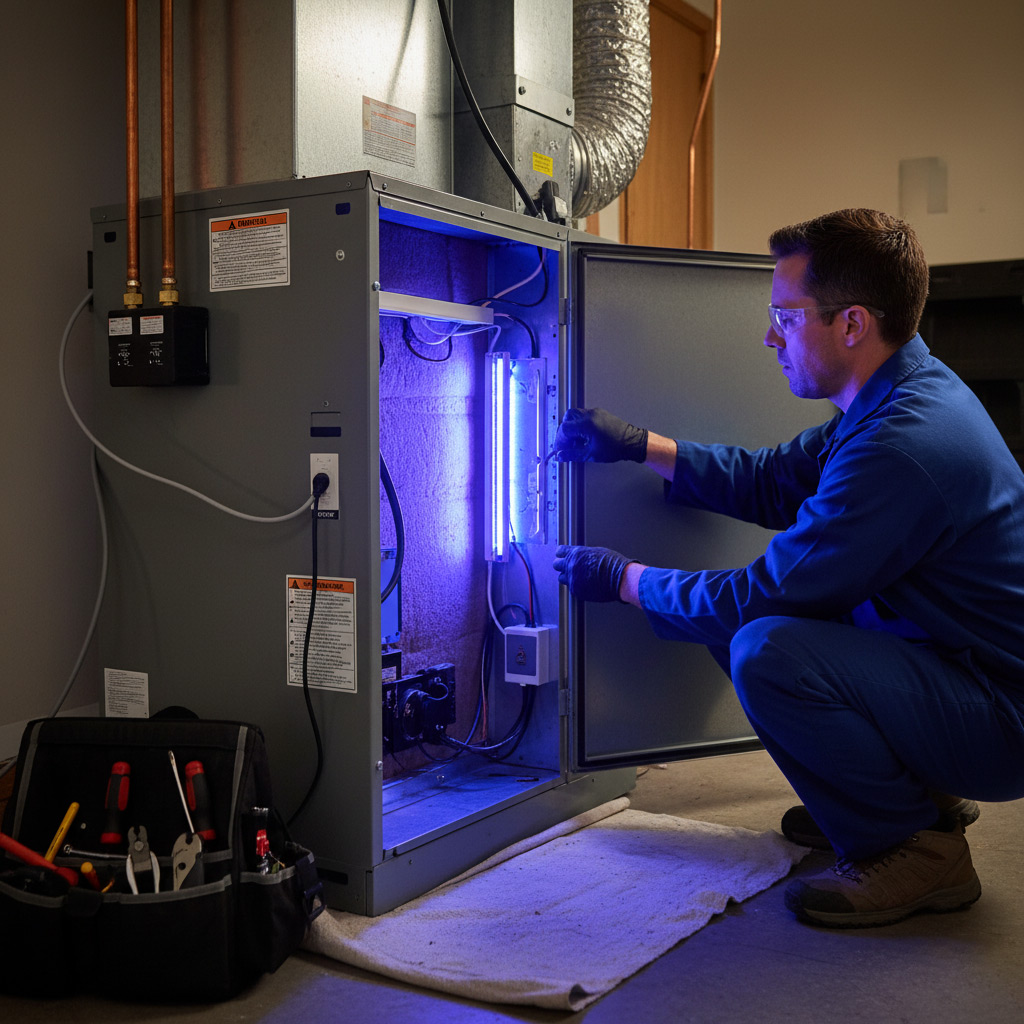
Professional maintenance is your system's annual physical. Our technicians inspect, clean, and tune crucial components, ensuring everything is operating at peak performance before the real demand hits.
This proactive approach helps catch minor issues before they escalate into costly repairs, significantly extending your furnace's lifespan and keeping your utility bills honest. It’s about securing uninterrupted comfort when you need it most.
In a place like Las Vegas, with its dust, dry air, and extreme temperature shifts, your heating system works harder than most. Regular checks aren't just good practice; they're an absolute necessity.
They ensure your furnace remains that secret weapon, silently delivering warmth and peace of mind, season after season, without any unexpected drama.
Case Study: Rescuing a Summerlin Home from a Sudden Winter Freeze-Up
Picture this: a crisp December morning in Summerlin. The temperature plummeted unexpectedly overnight, catching many homeowners off guard. Mrs. Peterson, a long-time resident, woke to a house that felt more like a walk-in freezer than a cozy home.
Her furnace, which had been working fine just hours before, was completely dead. When our team arrived, the diagnosis was clear: a classic case of thermal shock. The sudden, intense demand from the sharp temperature drop pushed an already aging limit switch past its breaking point, completely shutting down the system. It wasn't a slow decline; it was an instant failure triggered by the desert's surprising bite.
Our certified technicians quickly replaced the faulty component and performed a full system check, ensuring no other parts were stressed. Within hours, Mrs. Peterson’s home was warm again, her relief palpable. This wasn't just a repair; it was a critical reminder of how Vegas winters can expose hidden weaknesses in even seemingly functional heating units, demanding swift and expert intervention.
Emergency vs. Routine: Knowing When to Call for Professional Heating Repair
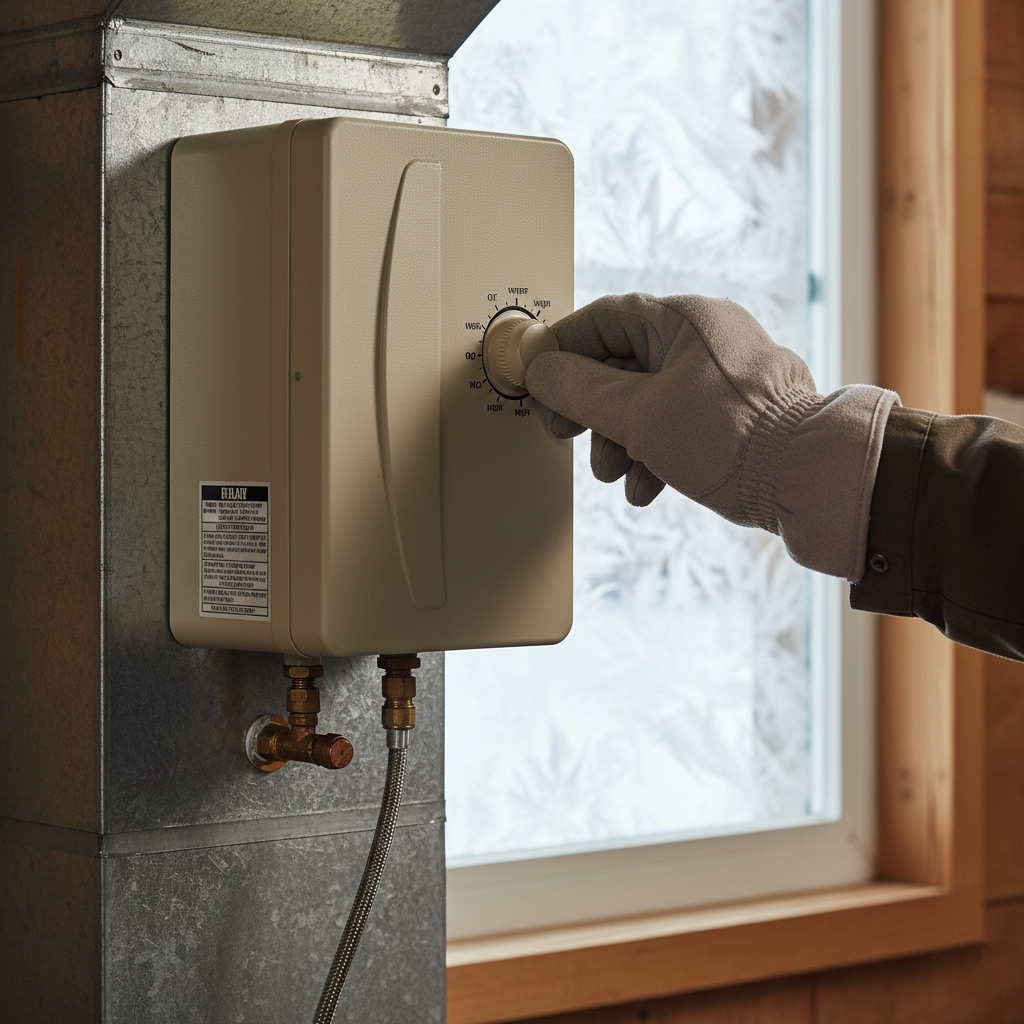
When your furnace acts up, the first question is always: Is this an emergency, or can it wait? For many homeowners, that line is blurry until it’s too late. Let’s clear it up. If you're dealing with zero heat, strange burning odors, or alarming noises like grinding or banging, you're looking at an emergency. These situations aren't just uncomfortable; they can indicate serious safety hazards or imminent total breakdown, demanding immediate professional attention.
When to Hit the Panic Button (and Call Us Fast):
- You smell gas near your furnace. This is a non-negotiable, call-us-immediately situation.
- Your carbon monoxide detector goes off. Evacuate, ventilate, then call for help.
- No heat whatsoever on a freezing night. Your system has likely failed.
- Loud, unusual banging, screeching, or grinding sounds. Something is seriously wrong internally.
Now, not every issue requires a middle-of-the-night call. Your system might be whispering for help with more subtle signs. Are your energy bills mysteriously higher? Do you have cold spots despite the thermostat being cranked? Is your furnace cycling on and off too frequently? These are often indicators of underlying issues—like a dirty filter, minor component wear, or calibration needs—that can be addressed with a routine repair or maintenance visit. Catching these problems early can prevent them from snowballing into those costly, urgent emergencies we just discussed.
Beyond the Immediate Fix: Smart Investments for Long-Term Vegas Comfort
Dealing with a broken furnace in the middle of a sudden cold snap is a frustrating experience. It's easy to just get it fixed and forget about it until the next crisis hits. But truly smart Las Vegas homeowners understand that thinking beyond the quick patch can save you a ton of stress and money down the road.
Instead of just reacting, consider how you can harden your home's heating system against future shocks. This isn't about luxury; it’s about strategic protection and boosting your comfort levels for years to come. Think of it as upgrading your home's thermal armor.
What to Consider for Lasting Warmth:
System Upgrades: If your furnace is old and constantly breaking down, sometimes a new, high-efficiency model is the most economical choice. Newer systems are built to handle temperature swings better and can significantly lower your utility bills.
Smart Thermostats: Gain precise control over your home's climate, even when you're not there. These devices learn your preferences and can adapt to sudden weather changes, ensuring your system isn't overworked.
Zoning Systems: Why heat the whole house when you only use a few rooms? Zoning allows you to heat specific areas, cutting down on wasted energy and giving you tailored comfort. It's a game-changer for those multi-level Vegas homes.
Improved Insulation & Sealing: Your heating system works harder if warm air leaks out or cold air creeps in. Investing in attic insulation, window sealing, or even modern windows can make your home incredibly more energy-efficient and comfortable.
These aren't just expenditures; they are investments that pay dividends in consistent comfort, lower energy bills, and peace of mind. You won't be caught off guard by the desert's surprising chill again. It's about taking control of your home's climate, not letting the weather dictate your comfort.
Final Words: Embracing a Cozy Las Vegas Winter
The desert winter might be brief, but its impact on your comfort and wallet can be anything but. Don't fall into the trap of thinking our mild climate means your heating system is immune to problems. The truth is, those sudden temperature drops hit hard, often when you least expect it.
Your goal isn't just to fix a breakdown; it's to enjoy a winter where you never even think about your furnace. It’s about predictability and peace of mind. That comes from understanding the unique challenges of Vegas weather and having a trusted team ready to keep your home warm, no matter how cold it gets outside.
So, as the cooler nights approach, take proactive steps. Ensure your system is ready for whatever the desert throws at it. A little foresight now means a lot of warmth and comfort later, making every Las Vegas winter genuinely cozy. If you ever need expert assistance, remember our team for reliable heating system repair.
People Also Ask
What is "Vegas Winter Shock" for an HVAC system?
Vegas Winter Shock refers to the rapid and significant temperature drops often experienced in Las Vegas during the colder months, which place sudden stress on heating systems. This quick shift from warm to freezing conditions can cause components to contract rapidly, leading to accelerated wear and potential breakdowns.How does thermal shock specifically impact my furnace in Las Vegas?
Thermal shock can severely affect your furnace's metal components, particularly the heat exchanger, causing them to repeatedly expand and contract with abrupt temperature changes. Over time, this stress can lead to dangerous cracks, inefficient operation, and eventual system failure, compromising both safety and comfort.What are the common warning signs my Las Vegas furnace needs repair?
Watch for unusual noises such as grinding, squealing, or frequent cycling, as well as weak or inconsistent heat distribution throughout your home. A sudden increase in energy bills or strange odors can also indicate that your furnace is struggling and requires professional inspection.Why is annual heating system maintenance particularly important in the Las Las Vegas desert?
Annual maintenance ensures your heating system is robust enough to handle the sudden cold snaps characteristic of Las Vegas winters, preventing unexpected failures when you need heat most. Regular servicing extends your furnace's lifespan, optimizes energy efficiency, and ensures reliable comfort and safety throughout the colder months.When should I call for emergency heating repair versus routine service in Las Vegas?
Call for emergency heating repair immediately if you smell gas, hear loud banging noises from your furnace, or if your system completely fails during freezing temperatures. For issues like minor noises, inconsistent heating, or reduced efficiency, routine service can typically be scheduled.
Las Vegas HVAC brings extensive experience to every heating and cooling challenge. Their team provides reliable service, expertly tailored for the unique climate of Las Vegas, NV. Committed to lasting comfort, they serve local homes and businesses with dedication.
Need HVAC?
We deliver rapid, reliable solutions that ensure operational efficiency for clients across Las Vegas and surrounding communities (89109, 89102, 89118, 89014).
Get a Quote