
Picture this: It's 115 degrees outside, your AC just sputtered its last gasp, and now you’re staring at a repair bill that feels suspiciously high. You're not just sweating; you’re wondering if you’re about to get taken for a ride, or worse, if you already have.
Here in Las Vegas, a broken HVAC system isn't an inconvenience; it's an emergency. And emergencies, unfortunately, sometimes bring out the worst in a few bad actors looking to exploit your discomfort and desperation for a quick buck.
You work hard for your money. You deserve to know the truth about what’s happening with your system and avoid paying for repairs you don't actually need. Let's uncover the most common rip-offs and show you how to protect your fortune and your peace of mind.
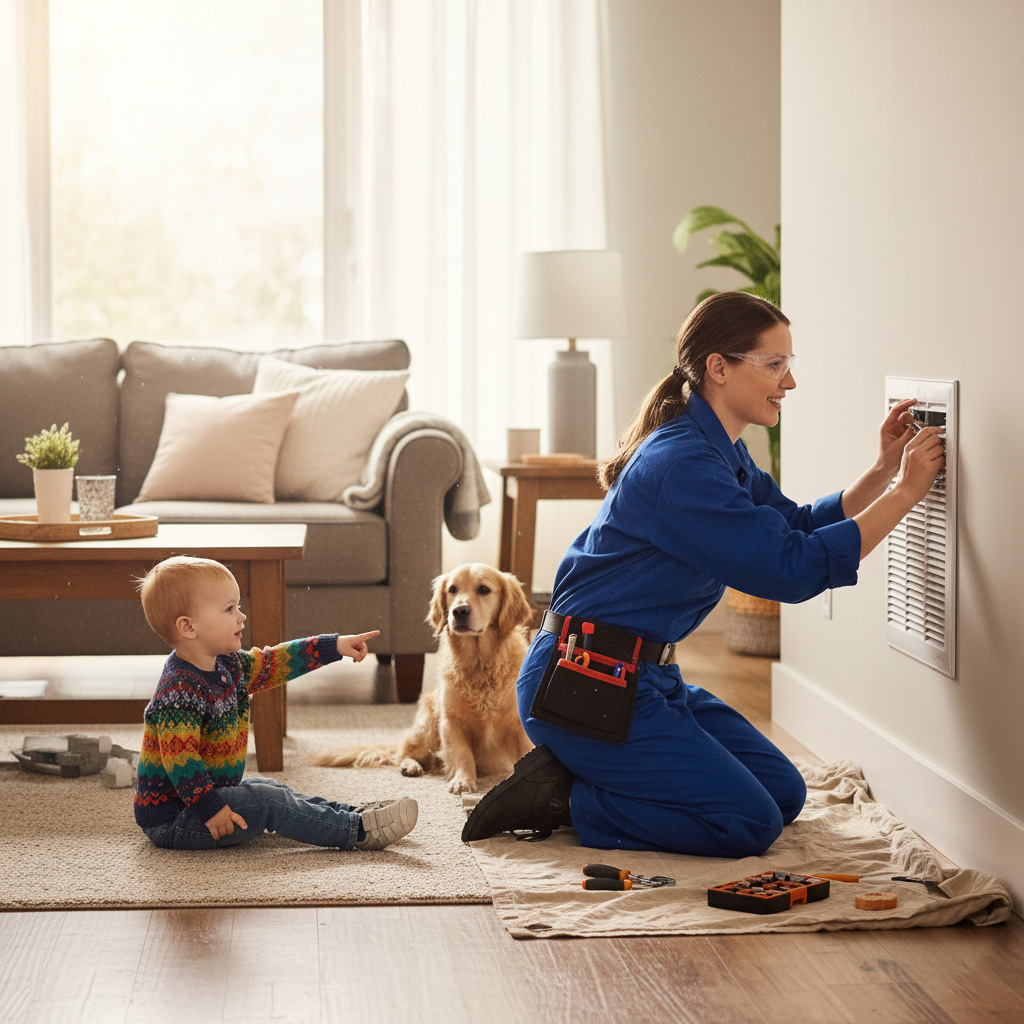
Exposing the Most Common HVAC Repair Scams in Las Vegas
The heat is oppressive, your AC is out, and desperation can make anyone vulnerable. Scammers thrive in these moments, leveraging your discomfort to push costly, often unnecessary, services. Knowing their playbook is your first line of defense.
These bad actors aren't always obvious; they often come across as helpful and professional until the bill arrives. Here are the most prevalent rip-offs designed to empty your wallet while leaving your core problem unsolved, or worse, creating new ones.
The "Low Freon" or Refrigerant Recharge Ruse
-
This is a classic. A technician shows up, barely checks anything, and declares your system is "low on Freon" (often mistakenly called Freon when it's usually R-22 or R-410A). They'll suggest a costly recharge, then vanish.
-
Here’s the truth: your AC is a sealed system. If it's low on refrigerant, there’s a leak. Adding more without fixing the leak is like refilling a leaky bucket; it’s a temporary, expensive band-aid, not a fix. You'll be low again soon, and they'll be back for more money. Always ask where the leak is and how it will be repaired, not just refilled.
The "Phantom Part" Replacement
-
You’re told a critical component failed – a compressor, a fan motor, a capacitor. The technician disappears for a few minutes, returns, and claims the "new" part is installed. You pay hundreds, sometimes thousands.
-
How do you know it's a scam? They never show you the actual failed part, or they might show you a dirty, broken part they brought from their truck that wasn’t even from your system. Always insist on seeing the old, removed part. A legitimate technician will gladly show it to you and explain its failure.
The Unnecessary System Replacement Push
-
Sometimes, a minor repair, like a clogged drain line or a simple electrical issue, becomes a "catastrophic failure." Suddenly, you’re told your entire unit is shot and needs a brand-new, expensive replacement.
-
This trick targets homeowners who don’t understand their system’s true condition. Before you sign off on a whole new system, especially for an older unit, get a second opinion. A small repair shouldn’t turn into a total system overhaul without clear, undeniable evidence of failure.
The Red Flags: How to Spot a Shady HVAC Technician
The moment an HVAC technician steps into your Las Vegas home, your internal alarm system should be on. A true professional arrives prepared, speaks clearly, and inspires trust. But a scammer? They thrive on confusion, desperation, and a subtle pressure that leaves you feeling cornered. Knowing what to watch for can save you thousands.
Here are the undeniable warning signs that you might be dealing with someone less than honest:
Vague Explanations and Jargon Overload
If they can't explain the problem in simple, understandable terms, or they intentionally use technical jargon to overwhelm you, that's a huge problem. They should be educating you, not confusing you. Always demand clear answers.
No Written Estimate Before Work Starts
This is non-negotiable. Never allow any work to begin without a detailed, written estimate outlining parts, labor, and the total cost. Verbal agreements are worthless when disputes arise.
High-Pressure Sales Tactics
Beware of lines like, "Your system is about to completely fail!" or "You need to decide right now, or the price goes up!" Legitimate service doesn't require scare tactics or immediate commitments. Take your time and consider your options.
Pushing a Full System Replacement Immediately
If the technician barely looks at your unit and immediately jumps to recommending an expensive full system replacement, be suspicious. Most HVAC issues, especially in older systems, can be repaired. A reputable tech explores repair options first.
"Discovering" New, Unrelated Problems
They arrive to fix a leaky drain and suddenly "find" a critical issue with your compressor that requires thousands in repairs. While secondary issues can occur, a pattern of "finding" increasingly expensive, unrelated problems is a classic scam. Always ask for proof and a second opinion.
Demanding Cash-Only Payment
A legitimate company accepts various forms of payment, from credit cards to checks, and provides a clear invoice. If a technician insists on cash, especially upfront, this is a major red flag that they might be operating off the books or planning to vanish without a trace.
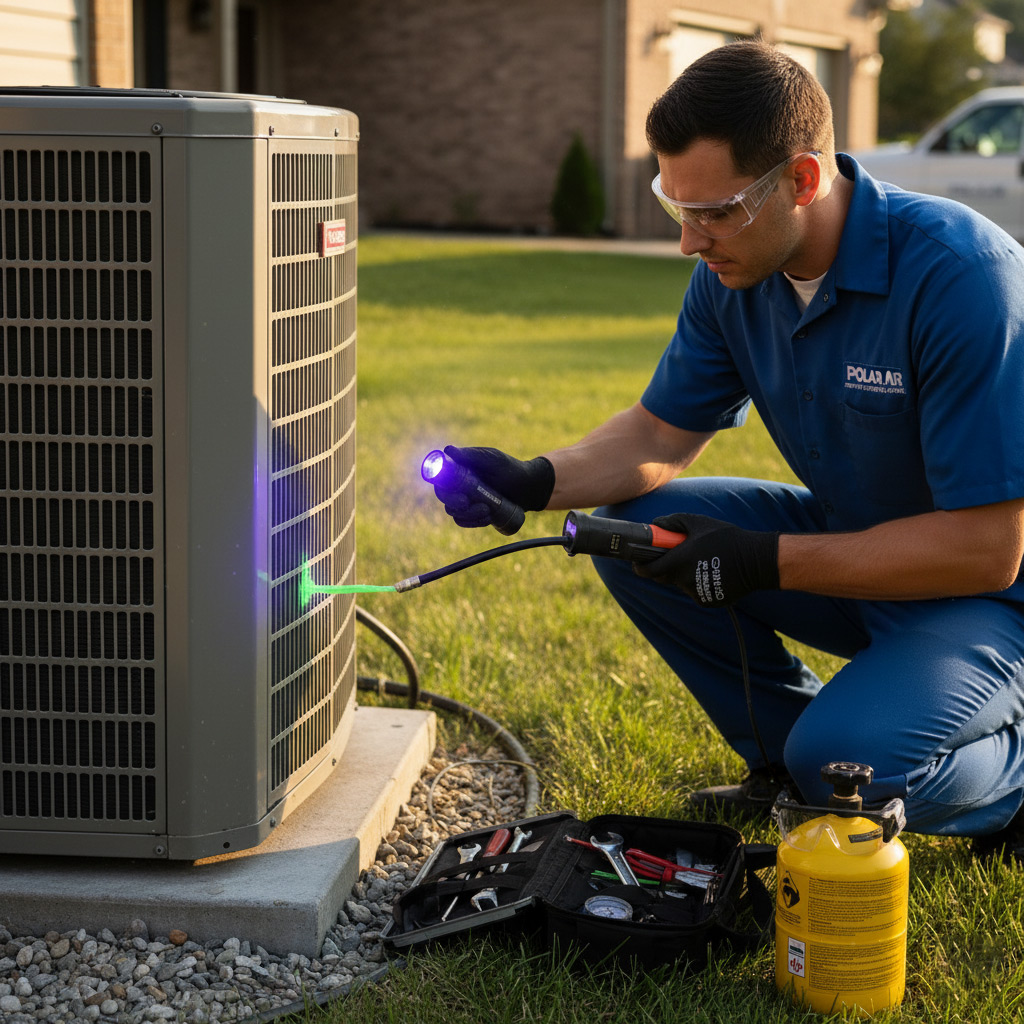
Decoding Your HVAC Diagnosis: What You Absolutely Need to Understand
When the technician starts talking, don't just nod along. You need to understand precisely what they're telling you. Your goal is to get a clear, concise explanation of the actual problem, not just a symptom, and what specific part failed and why. A good tech should be able to break it down without making you feel stupid.
Never accept a vague diagnosis like "It's just broken" or "Needs new parts." Demand specifics. Ask them to show you the faulty component, if possible, or at least explain its function clearly. This isn't about distrust; it's about being an informed consumer who knows exactly what they're paying for in a city where every penny counts.
Critical Questions to Ask About the Diagnosis
When a diagnosis is on the table, push for these answers:
- What exact part has failed? Get the name and function. Is it the capacitor, the contactor, or something more serious like the compressor?
- What caused this part to fail? Was it normal wear and tear, lack of maintenance, or something else? Understanding the cause helps prevent future issues.
- Is this part repairable, or does it require full replacement? Sometimes a repair is possible; other times, a new component is the only solution.
- Can you show me the failed component? If they say no, that's a major red flag. A legitimate technician will usually be happy to show you.
- What are all the repair options, and what are the pros and cons of each? Don't settle for a single, take-it-or-leave-it solution.
Your Rights as an HVAC Customer: Essential Questions to Ask Before Any Work Begins
You’re not just a paying customer; you’re an informed consumer, and you hold the power. Before any wrench turns or any wire is touched, you have every right to a clear understanding of the proposed work and its implications. Never feel pressured into making a quick decision, especially when your wallet is on the line.
Think of yourself as the CEO of your home's comfort. You wouldn't greenlight a major project at work without all the details, would you? It's the same here. Good technicians welcome questions; sketchy ones get agitated. This is your chance to really vet the professional in front of you.
Demand These Answers Before Saying "Yes"
Here are the non-negotiable questions that protect your peace of mind and your bank account:
- "Can you explain the problem in plain English?"
Don't settle for jargon. You need to understand *what* is broken and *why*. A reputable technician will gladly walk you through it, perhaps even show you the failing part. - "What exactly are you going to do to fix it?"
Get a detailed breakdown of the steps. If they're just topping off refrigerant without finding a leak, that's a red flag. Insist on a complete solution, not a band-aid. - "What's the *total* cost, broken down by parts and labor?"
Demand a written, itemized estimate. This isn't optional. Vague numbers are a no-go. You should know precisely what you're paying for before the work starts. - "What's the warranty on both the parts and the labor?"
Every legitimate repair should come with a warranty. Ask for it in writing. This protects you if the same problem resurfaces shortly after the fix. - "Are you licensed and insured?"
This is fundamental. In Nevada, HVAC contractors must be licensed.
Ask to see proof of their license and insurance. This protects you from liability if an accident happens on your property.
Don't be afraid to take notes or even record the conversation if you feel it's necessary. Your diligence now can prevent a financial disaster later. Remember, if something feels off, it probably is.
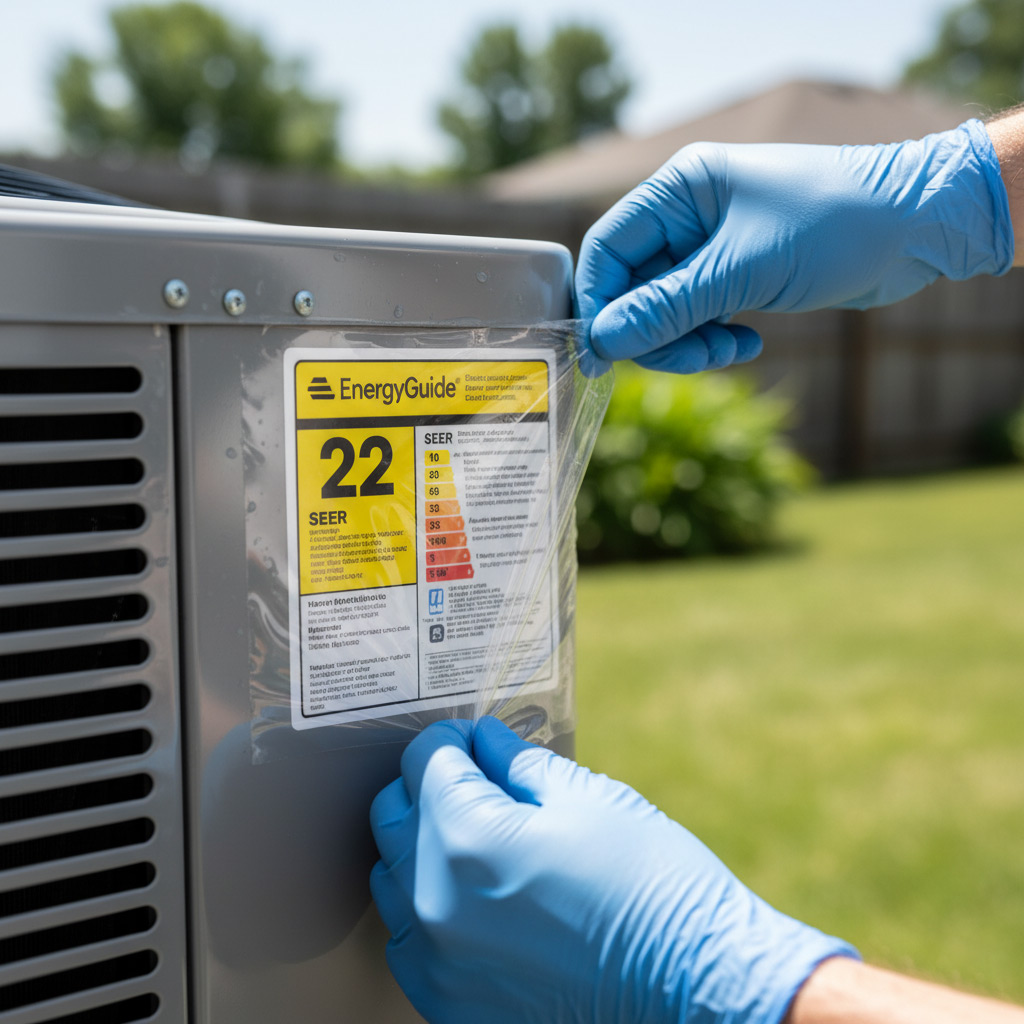
Case Study: From Overpriced Nightmare to Honest Repair – A Las Vegas Success Story
Meet Mark, a longtime Henderson resident. His AC sputtered out mid-July, right when temperatures hit an unbearable 116 degrees. Desperate, he called a company he saw advertised on a local bus. The technician arrived, performed a quick "diagnostic," and promptly declared his 7-year-old unit "beyond repair." The verdict? A full system replacement for a cool $9,800, with a warning that parts were scarce due to the heatwave.
Mark felt uneasy. The technician's answers were vague, and he pressured Mark to sign a contract on the spot, citing "limited availability." Remembering the advice to always get a second opinion, Mark called us. Our certified technician performed a thorough inspection. The actual problem? A failing contactor and a severely dirty coil – both fixable issues. The total cost for the repair? A remarkable $750, not nearly ten grand for a new system.
This isn't an isolated incident. Mark saved over $9,000 simply by trusting his gut and refusing to be rushed into a massive, unnecessary expense. His story proves that even in the most intense heat, a little due diligence and an honest second look can turn an expensive "nightmare" into a manageable, affordable repair. Don't let desperation lead you astray.
Beyond the Fix: Proactive Steps to Safeguard Your HVAC and Your Wallet
You’ve fought off the scammers, but the fight isn’t over. The best defense against future HVAC trouble and shady repairs is a strong offense: consistent, smart preventative action. Think of your HVAC system like a high-performance vehicle in the desert. You wouldn't skip oil changes or tire rotations, would you? Your AC demands the same respect, especially with Vegas summers trying to break it.
The Non-Negotiable: Regular Professional Maintenance
This isn't just about changing a filter. A professional tune-up involves a detailed inspection, cleaning, and calibration of critical components. It's about catching worn belts, low refrigerant, or struggling motors before they lead to a complete system failure when it's 118 degrees outside. Spending a little on maintenance annually saves you a fortune – and a lot of sweat – on emergency repairs.
What does a quality maintenance check usually include?
- Thorough Cleaning: Coils, condensate drain, and fan components.
- System Performance Test: Checking refrigerant levels, pressures, and electrical connections.
- Safety Checks: Ensuring components operate safely and efficiently.
- Early Detection: Identifying potential issues that could escalate.
Beyond the pros, there are simple, powerful actions you can take yourself every month. Don't underestimate these.
Your Monthly HVAC Checklist: Easy Wins for Longevity
The simplest, most impactful thing you can do is change your air filters regularly. A dirty filter chokes your system, making it work harder, costing you more money on energy bills, and ultimately shortening its life. For most Vegas homes, aim for every 30-90 days, depending on pets and dust levels. It's a five-minute job that pays dividends.
Next, keep the area around your outdoor unit – the condenser – clear. Remove any leaves, dirt, or shrubbery blocking airflow. Think of it like a car's radiator; it needs to breathe to dissipate heat efficiently. Restricted airflow means your unit struggles, drives up your electricity bill, and wears out components faster. A quick hose-down of the fins can also make a significant difference. These small, consistent actions are your insurance policy against breakdown.
Final Words: Reclaiming Your Comfort and Confidence.
You’ve now got the playbook. You understand the tricks. The power is back in your hands.
No more sitting there, sweating, wondering if the person in your home is truly helping or just helping themselves to your wallet.
You are armed with the knowledge to demand proper service.
This isn't just about avoiding a rip-off today. It’s about building a foundation of confidence for every HVAC issue that comes your way.
You now know how to spot the lies, ask the right questions, and protect your hard-earned money.
It’s about making smart decisions that safeguard your home’s climate and your financial security.
You deserve honest work and clear communication.
Don't just fix the problem; fix the process for good.
For more insights on keeping your system running right, check out our comprehensive HVAC troubleshooting guides.
People Also Ask
What are the most common HVAC repair scams in Las Vegas?
Common scams include technicians recommending unnecessary part replacements, overcharging for refrigerant, or fabricating problems to upsell expensive services. Some might also pressure you into an immediate, costly system replacement when a simple repair would suffice.How can I identify a trustworthy HVAC technician in Las Vegas?
A trustworthy technician will provide a detailed, written estimate before starting work, clearly explain the diagnosis and repair options, and answer all your questions patiently. Always check their licensing, insurance, and local customer reviews.What questions should I ask an HVAC company before they begin work?
Always ask for a detailed, written estimate that includes parts, labor, and diagnostic fees, and inquire about their warranty on both parts and services. Confirm they are licensed and insured in Nevada, and ask for references if needed.How do I know if an HVAC repair quote is reasonable in Las Vegas?
To determine if a quote is reasonable, obtain at least two to three estimates from different reputable Las Vegas HVAC companies for the same repair. Research average costs for the specific service needed, and be cautious of quotes that are significantly lower or higher than others without clear justification.What are red flags that an HVAC technician might be trying to scam me?
Red flags include demanding upfront cash payment, refusing to provide a written estimate, using high-pressure sales tactics, or claiming your system is dangerous without concrete evidence. Also, be wary if they "find" many new problems after you only called for a minor issue.
Las Vegas HVAC provides experienced heating and cooling services across the Las Vegas Valley. Their team of skilled professionals delivers dependable solutions, focusing on the comfort needs of local homes and businesses. They are committed to serving the Las Vegas community with their specialized expertise.
Need HVAC?
We deliver rapid, reliable solutions that ensure operational efficiency for clients across Las Vegas and surrounding communities (89109, 89102, 89118, 89014).
Get a Quote