
Living in Las Vegas means your air conditioner isn't just a convenience; it's the only thing standing between you and a relentless, 115-degree inferno. While most homeowners cross their fingers and hope for the best, that brutal desert heat is quietly shaving years off their AC unit's life, often leading to a catastrophic breakdown at the worst possible moment.
Imagine knowing exactly how to protect that essential investment, how to squeeze every possible ounce of cold air out of it for years longer than your neighbors, without breaking the bank on constant repairs or an early replacement. There's a 'secret' to making your AC not just survive, but truly thrive in this city.
If you're ready to stop guessing and start safeguarding your comfort and wallet against the Vegas heat, pay close attention, because what we're about to reveal could save you thousands.
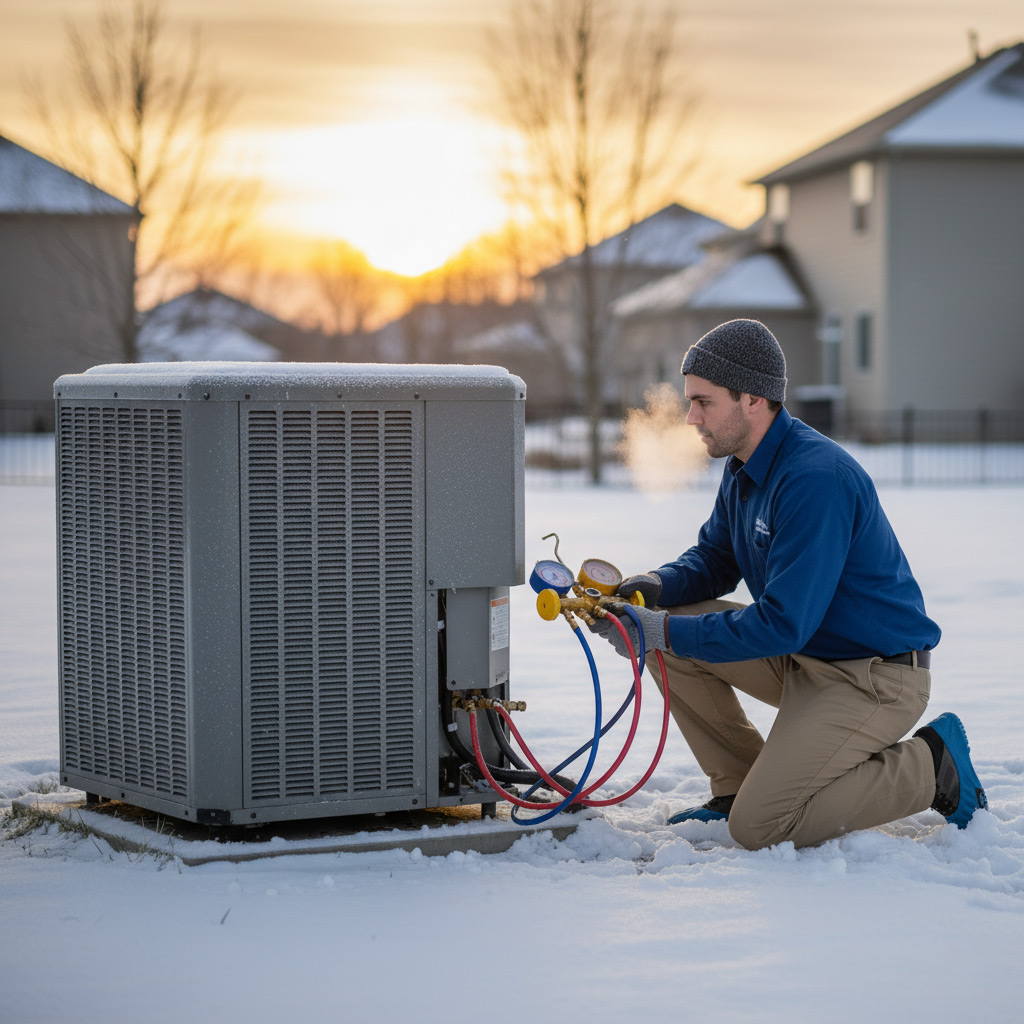
The Unseen Battle: How Vegas Heat Systematically Destroys Your AC
Most folks in Las Vegas understand it's hot here. What they don't grasp is that the desert heat isn't just an inconvenience; it's a relentless assailant, systematically attacking your air conditioning unit day in and day out. Think of it less like an oven and more like a high-stress endurance test for every single component. Your AC is running almost non-stop, often battling outdoor temperatures that push its design limits for months on end. This isn't just wear and tear; it's a grind that accelerates aging significantly.
The primary culprit is the sheer intensity and duration of high temperatures. When your AC works overtime to cool a home from 115 degrees, its compressor – the heart of the system – operates under immense pressure. This constant strain leads to faster degradation of internal parts, increased friction, and higher energy consumption, all of which chip away at its lifespan. It’s like asking a marathon runner to sprint a full race every single day.
Beyond the compressor, the scorching ambient air dramatically impacts your outdoor condenser coils. These coils need to dissipate heat effectively to cool your home. But when the outside air itself is superheated, the coils work much harder, leading to:
- Reduced cooling efficiency: Your unit has to push harder for the same result.
- Increased energy bills: More effort means more power consumption.
- Premature component failure: Overworked parts simply don't last as long.
More Than Just Heat: The Lifecycle Killers Hiding in Plain Sight
Sure, the sun is a killer, but it's not working alone. Think about all that fine, abrasive desert dust and grit constantly swirling around. It’s not just a nuisance; it’s an invisible attacker for your AC’s outdoor unit.
This microscopic debris relentlessly clogs the condenser coils. It forces your unit to work harder to dissipate heat, like trying to breathe through a dirty rag. The harder it works, the faster its internal components wear down, slashing its operational life significantly.
Then there’s the relentless on-off cycling many Vegas ACs endure, especially if improperly sized or when thermostats aren't set optimally. Each start-up is a mini power surge, stressing vital electrical components like capacitors and motors. It's not the miles; it's the sudden stops and starts that kill the engine.
Add to this the silent creep of condensate drain clogs. Mineral buildup from our hard water and even algae can block the line, leading to water damage, mold, and even system shutdowns. These aren't minor inconveniences; they're major threats to your AC's core integrity and longevity.
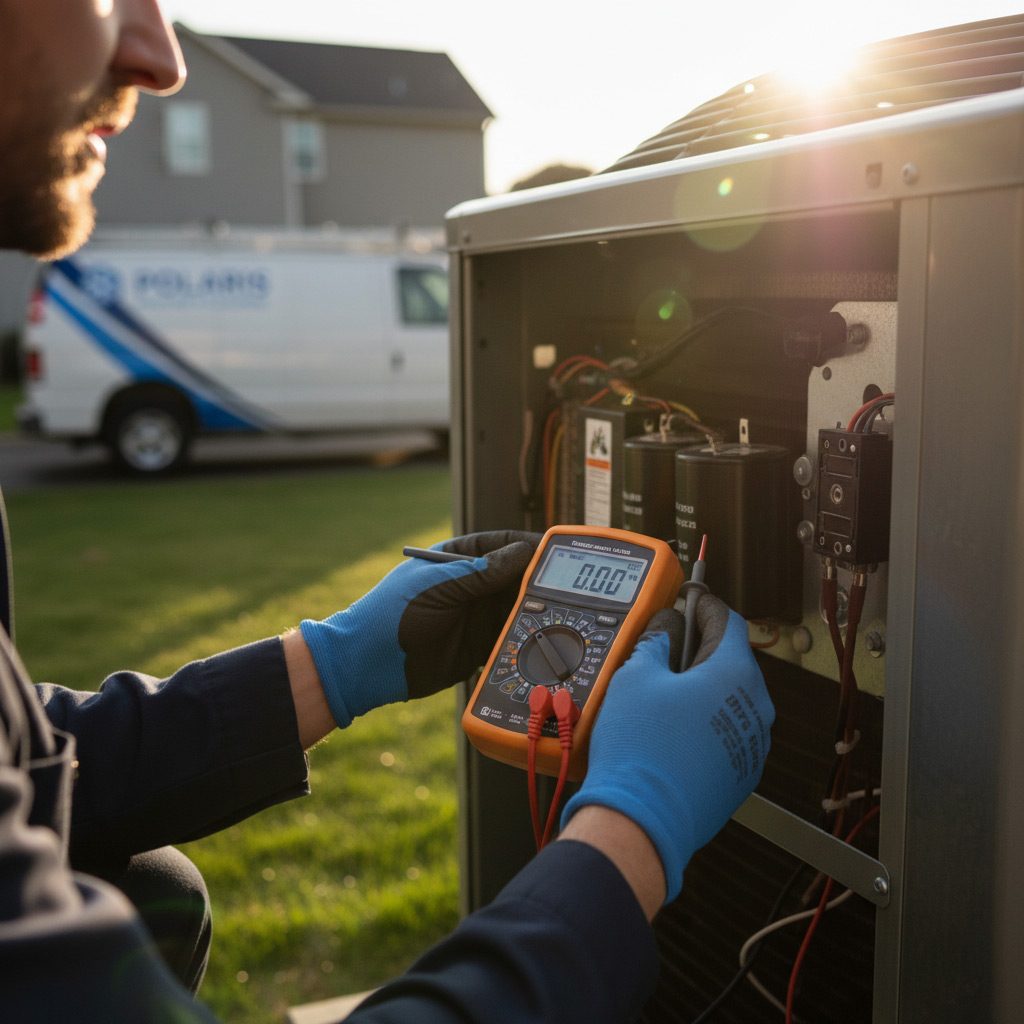
The Pro's Playbook: Unlocking Annual Tune-Up Power for Longevity
Forget crossing your fingers and hoping for the best. That's a losing strategy in a place like Las Vegas. The real players, the ones who consistently save thousands, know an annual AC tune-up isn't an option – it's your best defense.
This isn't just a quick peek. It's a professional deep-dive designed to optimize every critical component of your system, much like an athlete's rigorous annual physical. You wouldn't wait for your car's engine to seize up before an oil change, would you?
What does this pro's playbook involve? It's a comprehensive checklist performed by a certified technician. They meticulously clean coils, check refrigerant levels, tighten electrical connections, lubricate moving parts, and calibrate thermostats. These are the details that prevent catastrophic failures.
Ignoring these seemingly small points is like inviting disaster. A slightly low refrigerant charge, a dirty coil, or a worn-out capacitor can force your system to work overtime, chewing through electricity and wearing itself out at an alarming rate under the Vegas sun.
The Tune-Up Advantage: More Than Just Peace of Mind
- Restored Cooling Capacity: Get back that 'like-new' cold air you remember.
- Reduced Energy Bills: An optimized system runs leaner, saving you money every month.
- Proactive Problem Solving: Catch minor issues before they become major, costly repairs.
- Extended Lifespan: A well-maintained AC simply lasts longer, delaying that expensive replacement.
Think of it as an insurance policy that pays you back. The few bucks you spend on a proper annual service will be dwarfed by the savings from lower utility bills and avoiding a premature, emergency replacement. This isn't just about comfort; it's about protecting a major home investment.
Your wallet and your sanity will thank you. It's the strategic move that keeps your home a cool oasis, even when the thermometer is trying to break records outside.
Your Role in Resilience: DIY Maintenance Habits That Add Years
Okay, so the pros have their secret weapons, but you've got a critical one too. It's simple, cheap, and often ignored: your air filter. In Vegas, with our dust, pollen, and pet dander, a clogged filter isn't just inefficient; it's a suffocating blanket on your system.
Imagine trying to run a marathon while breathing through a pillow. That's your AC with a dirty filter. It works harder, consumes more energy, and ultimately, burns itself out faster. We're talking serious stress on crucial components.
Here’s the deal:
- Check Monthly: Pull that filter out once a month.
- Replace Quarterly (Minimum): In peak summer, or with pets/allergies, make it every 30 days.
- Right Filter Matters: Use the manufacturer-recommended MERV rating. Don't go too high, it chokes airflow.
This single habit costs you pennies but buys you years of smoother operation.
Next up, step outside and take a look at your outdoor unit – the condenser. This is where your AC dumps all the heat it extracts from your home. If it's covered in desert grit, leaves, or even overgrown shrubs, it can't breathe. Simple physics, really.
When the coils are dirty, the unit can't dissipate heat effectively. This forces your compressor to work overtime, straining its motor and consuming excessive power. It's a prime suspect for an early demise in our inferno climate.
Here's how you keep it clear:
- Clear Debris: Gently remove leaves, grass clippings, and any trash from the top and sides.
- Trim Vegetation: Ensure at least two feet of clear space around the unit for proper airflow.
- Gentle Rinse (Caution!): On occasion, after shutting off power, a light spray with a garden hose can help remove surface dirt from the fins. Do NOT use high pressure or spray electrical components.
These actions prevent premature wear and keep those energy bills from skyrocketing.
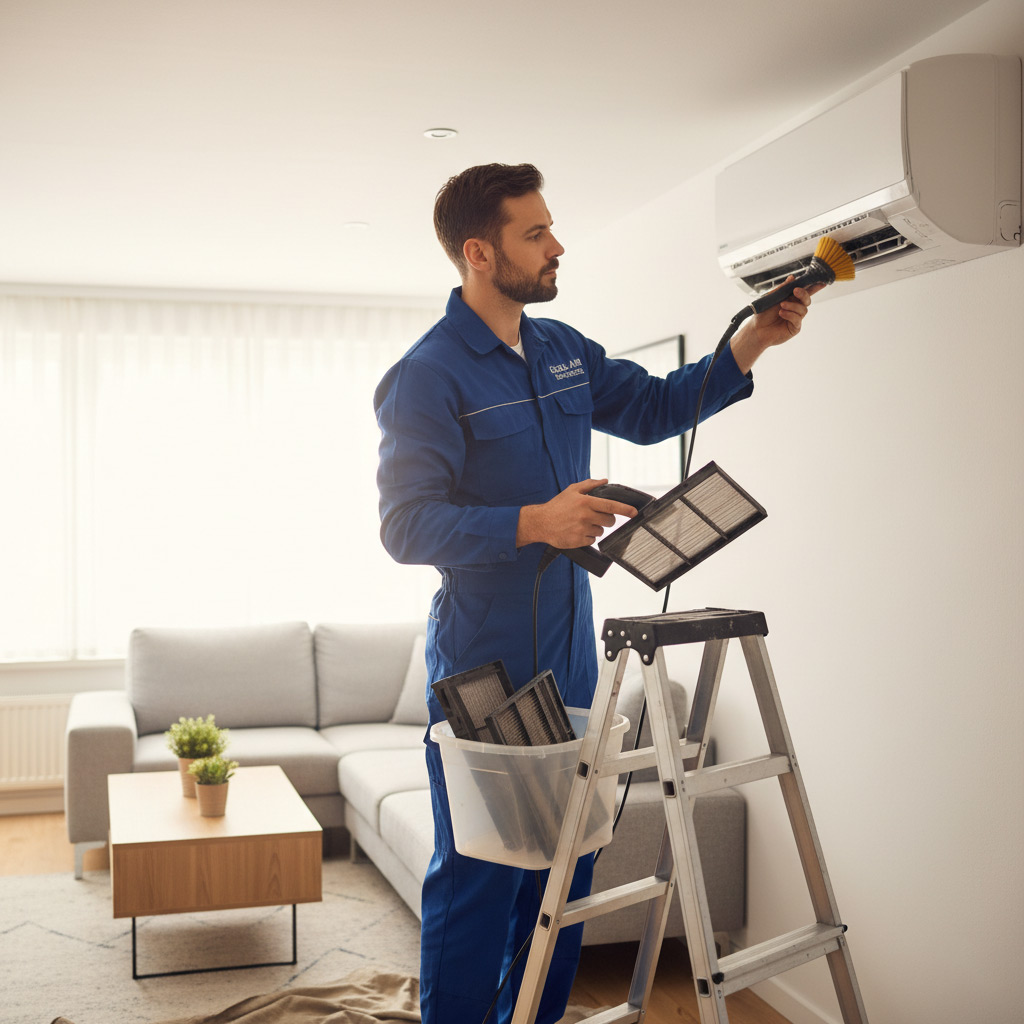
Vegas Victory: How Smart Choices Saved One Family's AC Investment (Case Study)
Meet the Miller family, new arrivals to Henderson who, like many, underestimated the raw power of the Vegas sun. Their brand-new AC unit, just three years old, started making concerning noises and struggling to cool their home by the peak of summer. They thought a new unit meant years of worry-free comfort, but the desert had other plans, pushing their system to its absolute limit.
Facing a potential four-figure repair bill, the Millers called us, skeptical but desperate. Our technicians quickly identified the culprit: clogged coils and a struggling compressor, overworked from years of accumulated dust and neglect. We explained that while their unit was still viable, it was on the fast track to failure without a professional tune-up schedule.
Instead of opting for an immediate, expensive component replacement, they chose a comprehensive service plan. This included regular cleanings, refrigerant checks, and detailed system diagnostics. It was a commitment, not a magic bullet, but it shifted their approach from reactive panic to proactive protection.
Fast forward two years, and the Millers' AC is still running strong, often outperforming newer units in their neighborhood. They now enjoy consistent, icy-cold air and have avoided the cost of replacing their compressor – a saving of well over $2,000. Their story isn't unique; it’s a tangible example of how a small, consistent investment in maintenance can dramatically extend your AC's life.
Their peace of mind comes from knowing they're beating the Vegas heat, not just enduring it. It proves that with the right strategy, your AC doesn't have to be a ticking time bomb.
Strategic Upgrades & Smart Habits: Beyond Basic Maintenance for Peak Performance
Sure, you've got the annual tune-up down, and that's critical. But to truly conquer the Vegas heat, to get your AC performing at a level most neighbors only dream of, you need to think smarter, not just harder. This isn't about throwing money at the problem; it's about strategic reinforcements that lighten your unit's load and extend its fighting life.
Consider a
Smart Thermostat
. Not just programmable, but truly intelligent. These systems learn your habits, adjust to external conditions, and can be controlled from your phone – even when you’re stuck in traffic on the 15. The result? Less wasted energy, more precise comfort, and fewer unnecessary cycles taxing your compressor. It’s like giving your AC unit its own personal, highly efficient brain, ensuring it works smarter, not harder.Beyond smart tech, examine your home's hidden defenses. Many homeowners lose a huge chunk of their expensive cold air before it even reaches a vent, thanks to leaky or poorly insulated ductwork. A professional duct assessment and sealing can mean a dramatic improvement in efficiency, reducing the strain on your AC. Furthermore, a flimsy attic barrier or inadequate wall insulation means your AC is fighting a losing battle against radiant heat. Upgrading your
Home's Insulation
is a foundational step, directly reducing the heat load your system has to overcome daily. These aren't just add-ons; they're essential components of a long-term AC survival strategy in Las Vegas, allowing your system to run less, work more efficiently, and ultimately, last longer.Final Thoughts
The "secret" to crushing the Las Vegas heat and extending your AC's life isn't hidden in some obscure manual or complex engineering degree. It boils down to one powerful truth: proactive, consistent care beats reactive panic every single time.
You've seen how the desert relentlessly attacks your system and the subtle killers lurking in your own backyard. But more importantly, you now understand the simple, yet profound, steps that literally add years to your investment. From expert annual tune-ups to smart DIY habits, these actions build a fortress of resilience around your comfort.
Don't wait for the inevitable summertime meltdown to remind you how crucial your AC is. Taking control now means enjoying consistent, reliable cold air and keeping thousands of dollars in your pocket – money that won't be wasted on emergency repairs or premature replacements. Make HVAC maintenance a non-negotiable part of your Las Vegas living strategy. It's the smartest choice you can make for your home and your peace of mind.
People Also Ask
How does the Las Vegas heat specifically impact AC unit lifespan?
The extreme and prolonged high temperatures in Las Vegas force AC units to work much harder and longer than in milder climates. This constant stress accelerates wear and tear on critical components like compressors, coils, and fans, leading to premature failure.What is the average lifespan of an AC unit in Las Vegas, NV?
While AC units typically last 10-15 years nationally, in Las Vegas's harsh desert environment, the average lifespan often shrinks to 8-12 years without proper maintenance. Consistent professional tune-ups can help units approach the higher end of this range.Why are annual AC tune-ups crucial for desert environments like Las Vegas?
Annual tune-ups are vital in Las Vegas because they proactively address the increased strain and potential damage caused by extreme heat and dust. Technicians can identify and fix minor issues before they escalate into costly breakdowns, ensuring peak efficiency and extending the unit's operational life.Are there specific DIY maintenance tasks Las Vegas homeowners should prioritize?
Yes, homeowners should regularly clean or replace air filters, keep the outdoor condenser unit clear of debris and vegetation, and ensure vents are unobstructed. These simple steps significantly improve airflow and efficiency, reducing strain on your AC system in the harsh desert.When is it more cost-effective to replace an AC unit rather than repair it in a hot climate like Vegas?
It's generally more cost-effective to replace an AC unit in Las Vegas when it's over 10 years old, frequently breaks down, or requires expensive repairs like compressor replacement. The improved energy efficiency of new units often offsets the replacement cost through lower utility bills in the long run.
Las Vegas HVAC provides heating and cooling solutions backed by extensive industry expertise. With significant experience serving the Las Vegas valley, they are familiar with the region's unique climate demands. Their team is committed to delivering dependable comfort to local residents and businesses.
Need HVAC?
We deliver rapid, reliable solutions that ensure operational efficiency for clients across Las Vegas and surrounding communities (89109, 89102, 89118, 89014).
Get a Quote